The Ultimate Guide to Paid Ads for Small Business
Digital marketing has become one of the most powerful tools for businesses that want to grow in the online world. Today, more people search for products and services on the internet than ever before. This means businesses that build a strong online presence have a better chance of attracting customers and increasing their revenue.
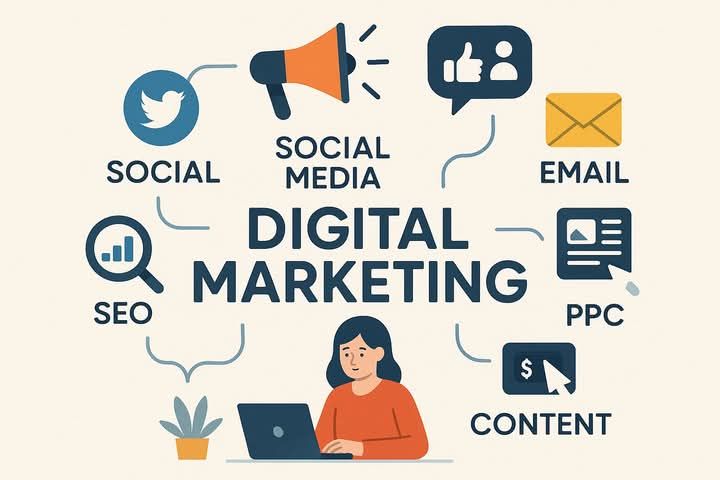
From search engine optimization (SEO) to social media marketing and paid advertising, digital marketing provides multiple ways for businesses to reach their target audience. Small businesses, in particular, can benefit from these strategies because they allow them to compete with larger brands without spending huge amounts of money.
In this guide, we will explore how paid ads for small businesses helps to grow online, the key strategies companies should use, and why building a strong digital presence is essential for long-term success.
Paid advertising is one of the fastest ways for small businesses to reach their target audience, drive traffic, and boost sales. Whether you are just starting out or looking to scale, understanding paid ads can make a significant difference in your online success.
Table of Contents
What Are Paid Ads?
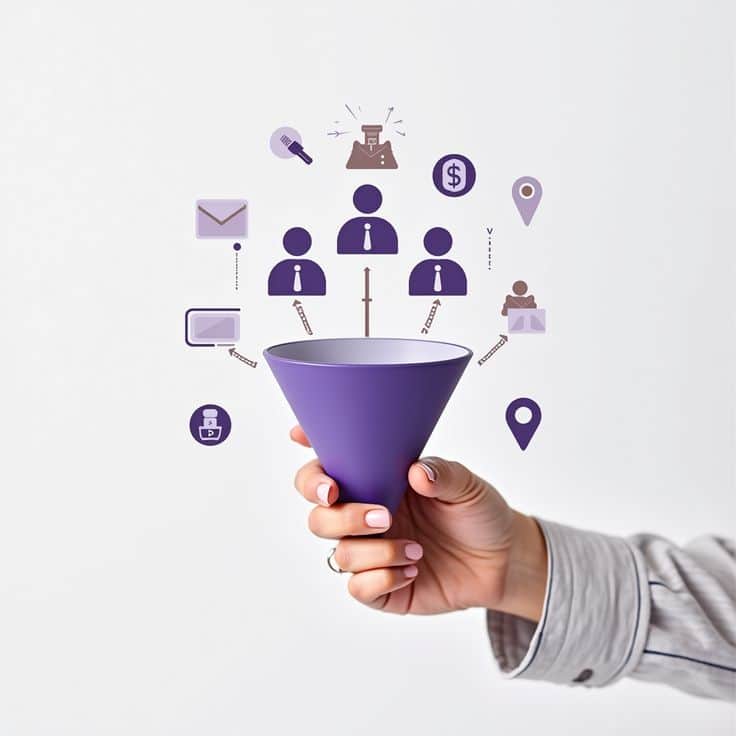
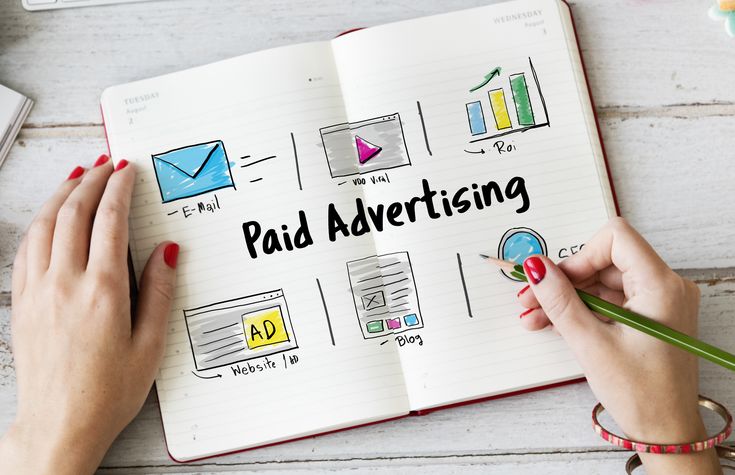
Paid ads, also called pay-per-click (PPC) advertising, are online ads where businesses pay a fee each time someone clicks on their ad. Platforms like Google Ads, Facebook Ads, and LinkedIn Ads allow businesses to target users based on location, interests, behavior, and demographics.
By leveraging paid ads, small businesses can reach the right audience at the right time, without waiting for organic growth.
Why Small Businesses Should Use Paid Ads
- Instant Visibility
Unlike SEO, which takes time to rank on search engines, paid ads can put your business in front of potential customers immediately. This is especially helpful for new businesses or promotions. - Precise Targeting
Paid ad platforms allow you to target your audience with precision. You can reach people based on age, location, interests, and even purchase behavior. This ensures that your marketing budget is spent effectively. - Measurable Results
With paid ads, everything is trackable. You can see how many clicks, conversions, or sales your campaigns generate. Tools like Google Analytics help measure ROI and optimize campaigns. - Cost Control
Small businesses can start with a modest budget and increase spending as results improve. Platforms like Google Ads allow you to set daily limits, so you never overspend.
Types of Paid Ads for Small Businesses
- Search Ads – Appear at the top of search engine results when users type specific keywords.
- Display Ads – Visual banners shown across websites within ad networks.
- Social Media Ads – Ads shown on platforms like Facebook, Instagram, and LinkedIn to engage audiences with images, videos, or carousel posts.
- Remarketing Ads – Target users who have already visited your website, reminding them of your products or services.
Best Practices for Small Business Paid Ads
- Start with Clear Goals: Define whether you want leads, sales, or website traffic.
- Use Strong Call-to-Actions: Encourage users to act immediately, e.g., “Buy Now” or “Sign Up Today.”
- Test Multiple Ads: Use A/B testing to find which ad performs best.
- Optimize Landing Pages: Ensure your website pages are fast, mobile-friendly, and aligned with your ad message.
External Resource
For a deeper understanding of how paid ads work and how to set up your first campaign, you can check out Google’s official Ads guide here.
Conclusion
Paid ads are a powerful tool for small businesses looking to grow quickly online. By targeting the right audience, tracking results, and optimizing campaigns, you can maximize ROI and accelerate business growth.
Want faster traffic and more leads for your business?
Paid ads can deliver immediate results when done correctly. Start exploring advertising opportunities through tools like Facebook Ads Manager and grow your online presence.
“Explore more about our Digital Marketing Services”